
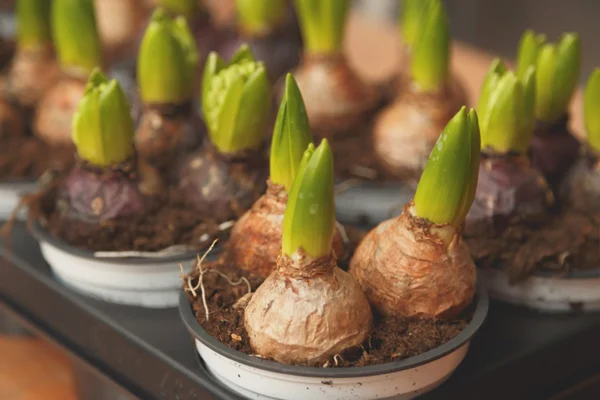
Growing flower bulbs is one of the easiest and most rewarding ways to add vibrant color and beauty to your garden. Bulbs such as tulips, daffodils, lilies, and crocuses require minimal maintenance yet deliver stunning blooms year after year. Whether you are a beginner or an experienced gardener, understanding the basics of planting and caring for flower bulbs will help you achieve healthy growth and abundant flowers.
Understanding Flower Bulbs
Flower bulbs are underground storage structures that contain all the nutrients a plant needs to grow and bloom. True bulbs include tulips and onions, while others like corms, tubers, and rhizomes are often grouped under the term “bulbs.” Each type stores energy that supports early growth, making bulbs especially resilient and beginner-friendly.
Choosing the Right Bulbs
Selecting high-quality bulbs is the first step toward success. Look for bulbs that are firm, plump, and free from mold or soft spots. Larger bulbs generally produce stronger plants and bigger blooms. Choose varieties suited to your climate, as some bulbs thrive in cooler regions while others prefer warmer conditions.
Spring-flowering bulbs such as tulips and daffodils are typically planted in fall, while summer-flowering bulbs like lilies and gladiolus are planted in spring. Always check planting times specific to your region.
Preparing the Soil
Healthy soil is essential for bulb growth. Bulbs prefer well-draining soil to prevent rot. Before planting, loosen the soil to a depth of about 8–12 inches and mix in compost or organic matter to improve drainage and fertility. Avoid heavy clay soil unless it has been amended with sand or compost.
Choose a location that receives adequate sunlight. Most flowering bulbs require at least six hours of direct sunlight per day to bloom properly.
How to Plant Flower Bulbs
Planting depth is crucial for bulb development. A general rule is to plant bulbs at a depth about two to three times their height. Place the bulb in the hole with the pointed end facing upward and the root end down. Space bulbs according to their size, usually 2–6 inches apart.
After placing the bulbs, cover them with soil and gently firm it down to remove air pockets. Water thoroughly after planting to help the roots establish.
Watering and Maintenance
Bulbs require moderate watering. After planting, keep the soil slightly moist but not soggy. Overwatering can lead to bulb rot. Once established, many bulbs rely on natural rainfall, though watering may be needed during prolonged dry periods.
Apply a balanced fertilizer or bulb-specific fertilizer in early spring as new growth appears. Avoid high-nitrogen fertilizers, which promote leafy growth at the expense of flowers.
Caring for Bulbs After Blooming
Once flowers fade, allow the leaves to remain until they turn yellow and die back naturally. The foliage continues photosynthesis, storing energy for next season’s blooms. Cutting leaves too early can weaken the bulb.
For perennial bulbs, leave them in the ground to rebloom each year. In colder climates, adding a layer of mulch helps protect bulbs during winter.
Common Problems and Tips
Pests such as squirrels and rodents may dig up bulbs. Using wire mesh or planting bulbs deeper can help prevent damage. Diseases are rare but usually caused by poor drainage.
To enjoy continuous blooms, plant bulbs in layers or choose varieties with staggered flowering times.
Conclusion
Growing flower bulbs is a simple and rewarding gardening practice that brings long-lasting beauty to any landscape. By choosing quality bulbs, preparing the soil properly, planting at the right time, and providing basic care, you can enjoy colorful, healthy flowers season after season. With minimal effort, flower bulbs can transform your garden into a vibrant and inviting space.